Mobile App Development
iPhone and Android apps for customers, drivers, staff and members, connected to a real backend, admin system and payments, and released on both app stores.
- A fixed price for the first version
- Store, maps and messaging fees listed separately
- Your data and brand stay yours
Sounds familiar?
People use your service every day and want it on their phone.
Your drivers, staff or field team work from WhatsApp and paper.
You need notifications, the camera, GPS or offline use.
An app has to earn its spot on someone's phone. We start with the person using it and the thing they do every day, then decide whether that needs an app at all.
What we build.
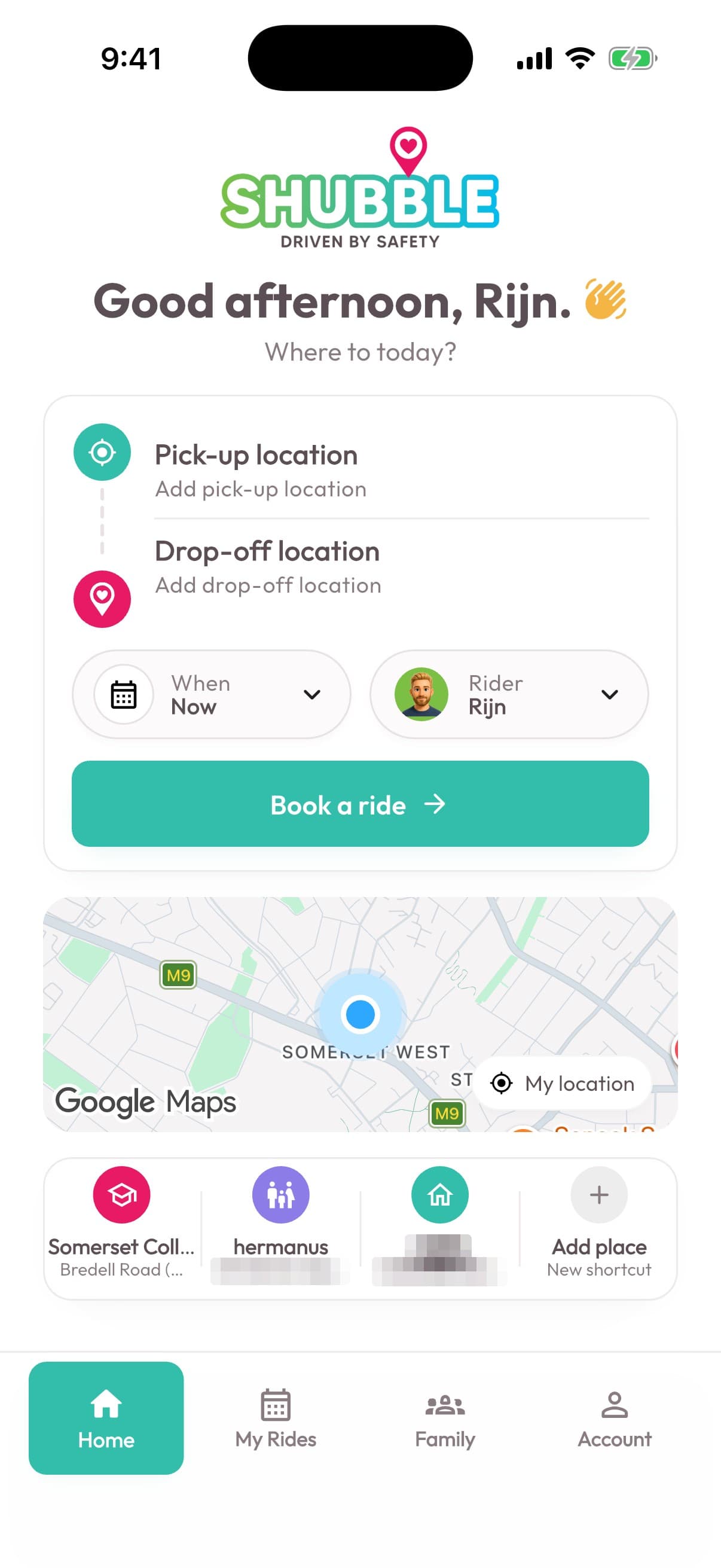
Customer and member apps
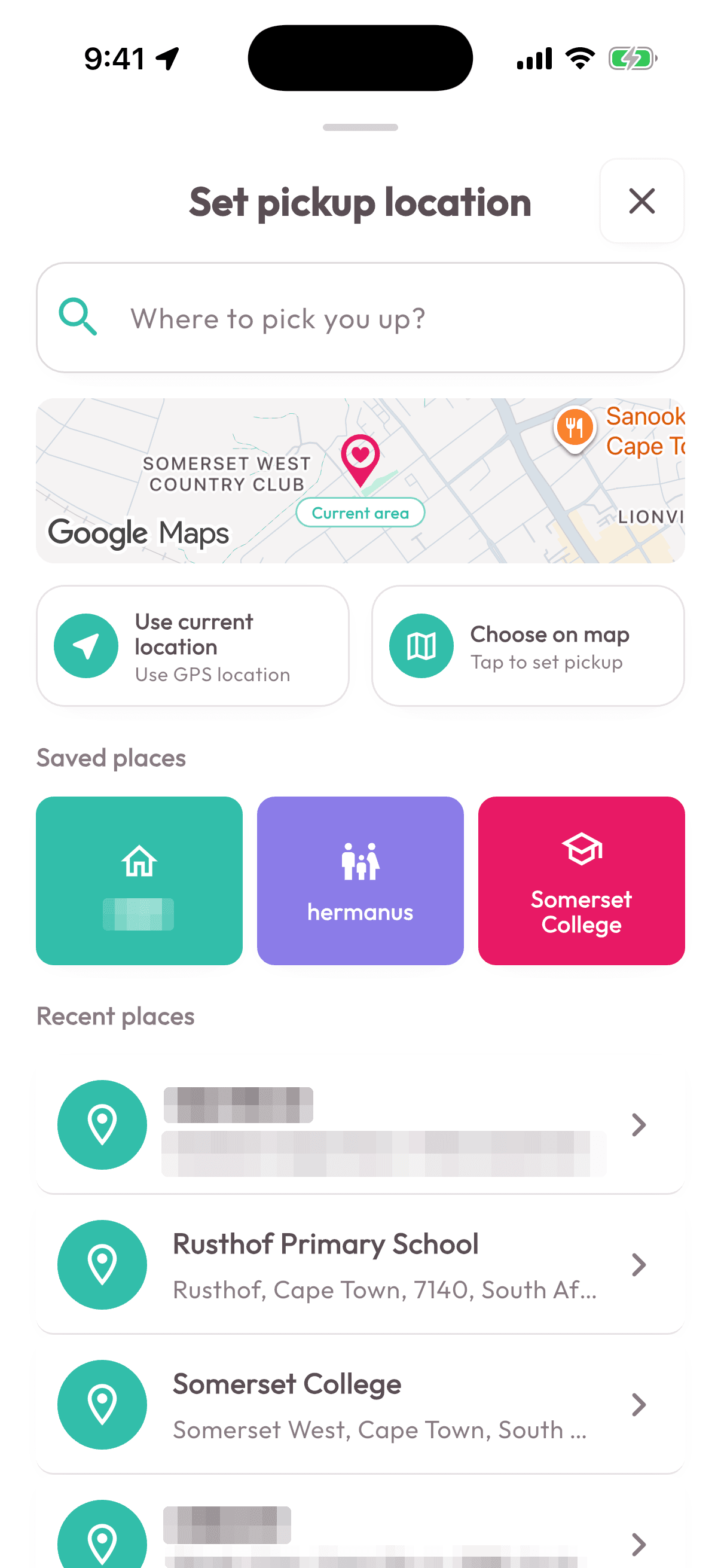
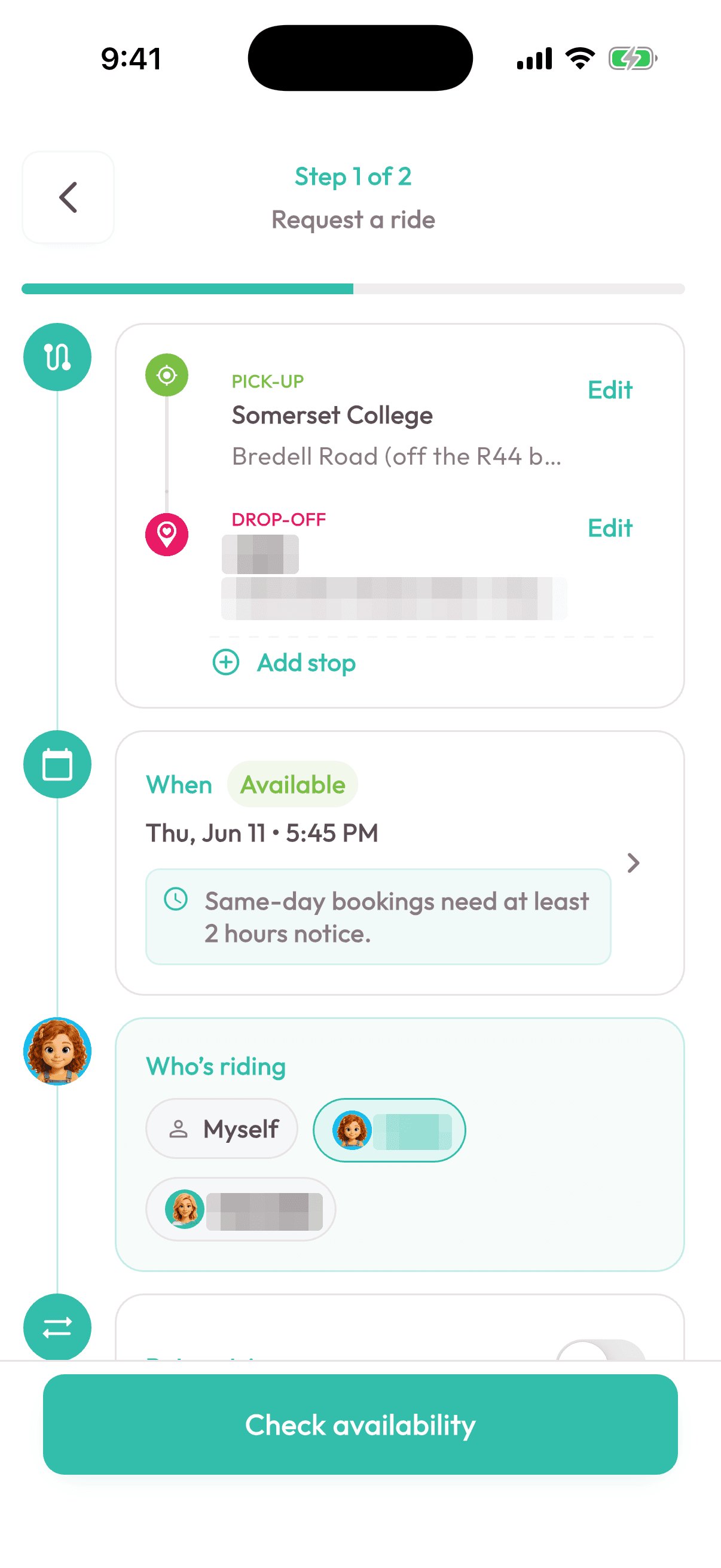
Book, pay, track and get notified, in an app people keep on their phone.
Screen from Shubble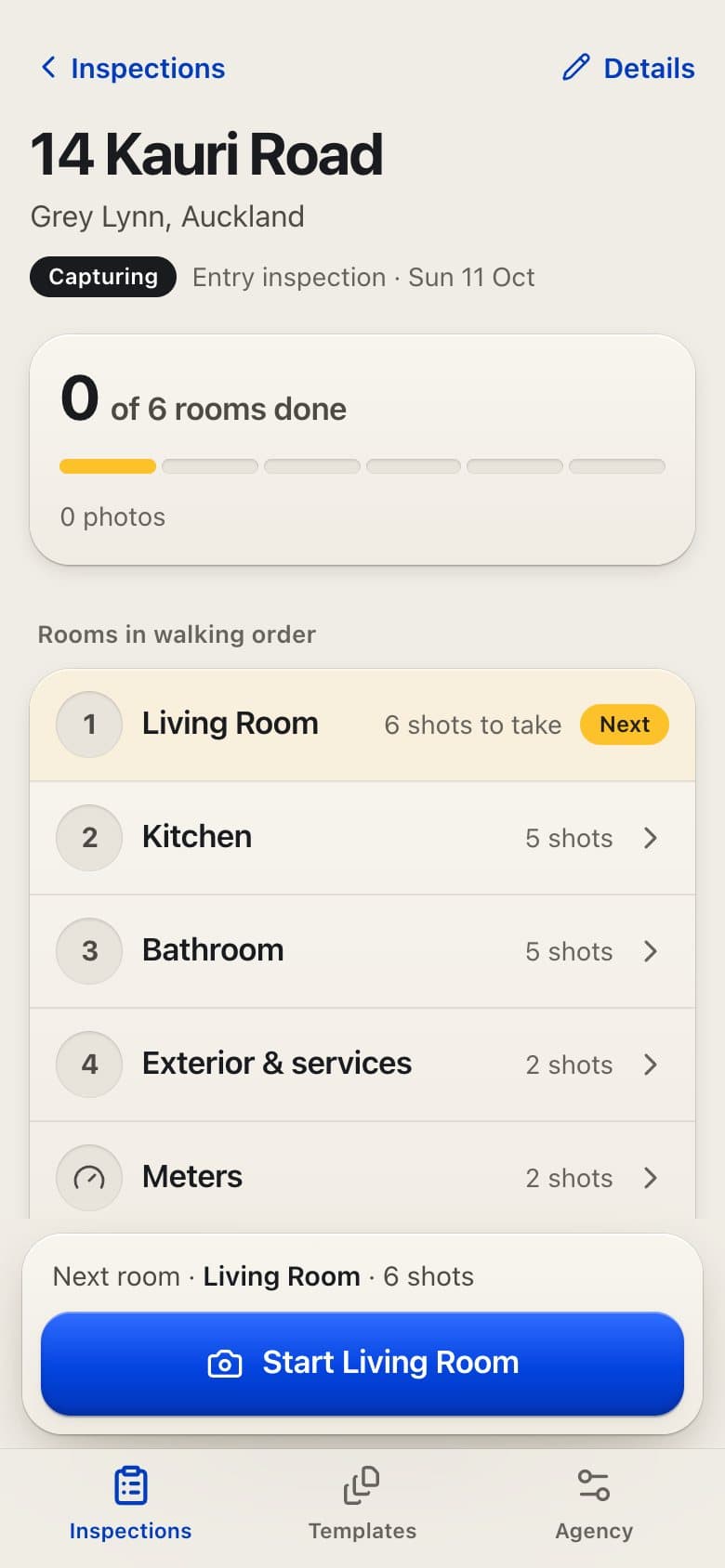
Driver, staff and field apps
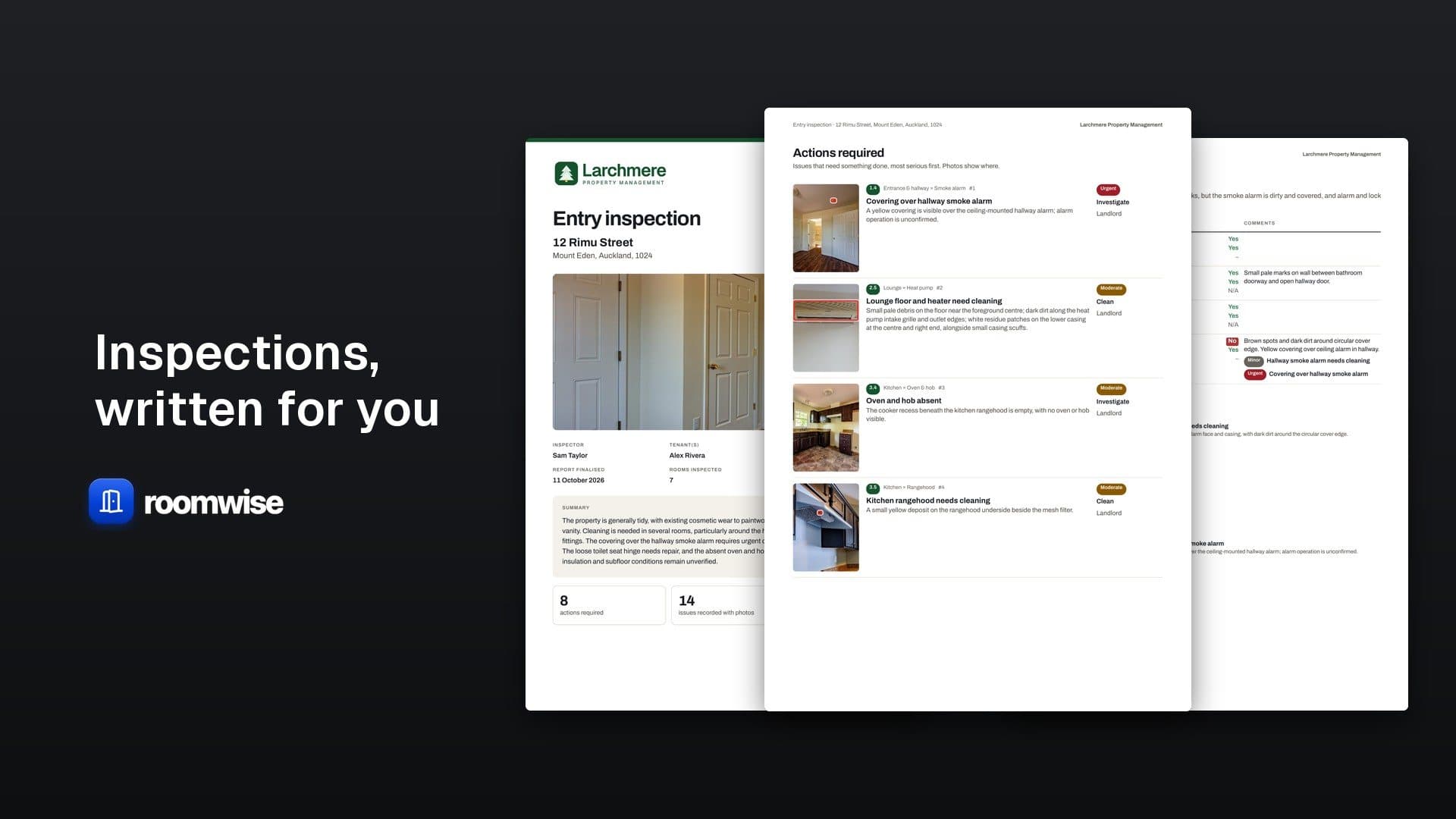
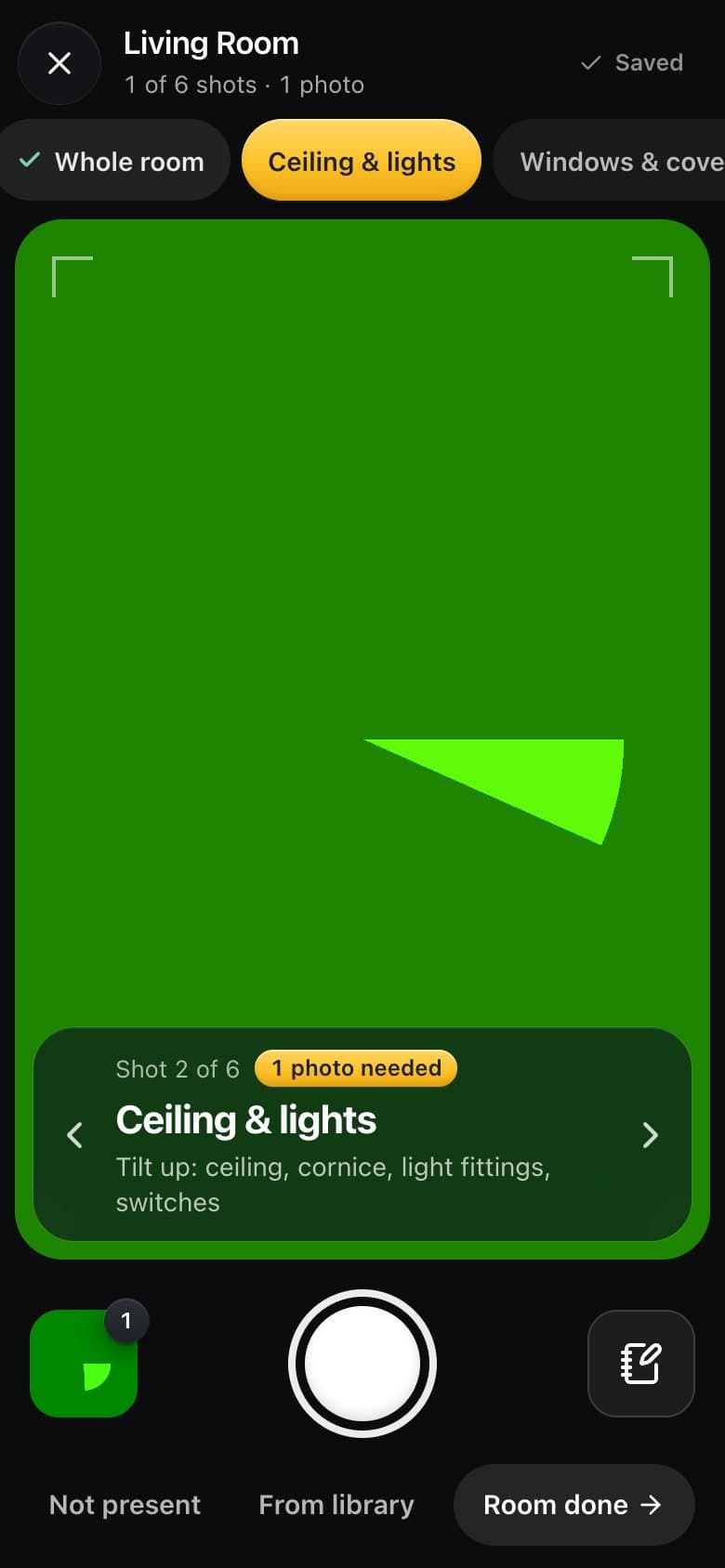
A clear plan for the day, and capture that keeps working when the signal drops.
Screen from Roomwise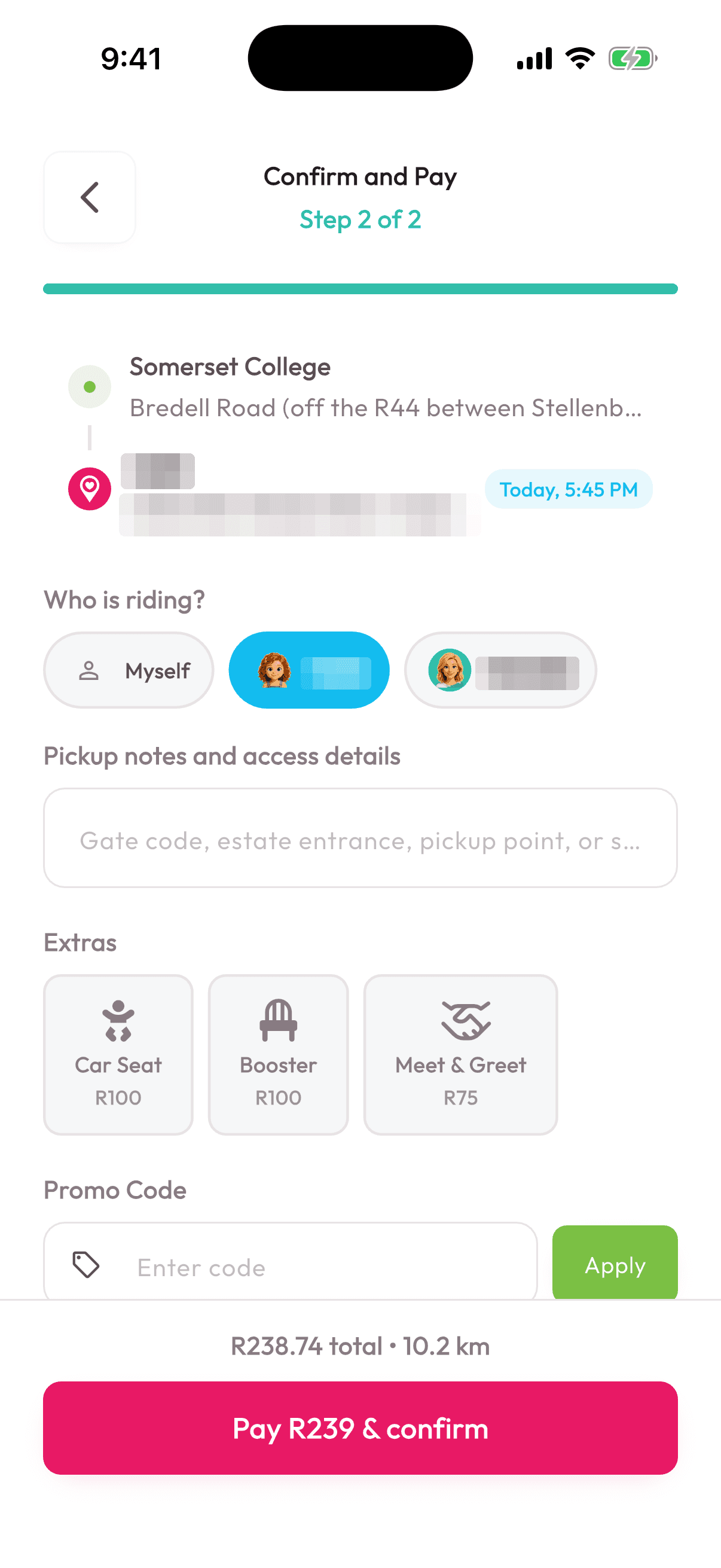
Sign-in, maps, payments and alerts
The parts every app needs, in place from the start.
Screen from Shubble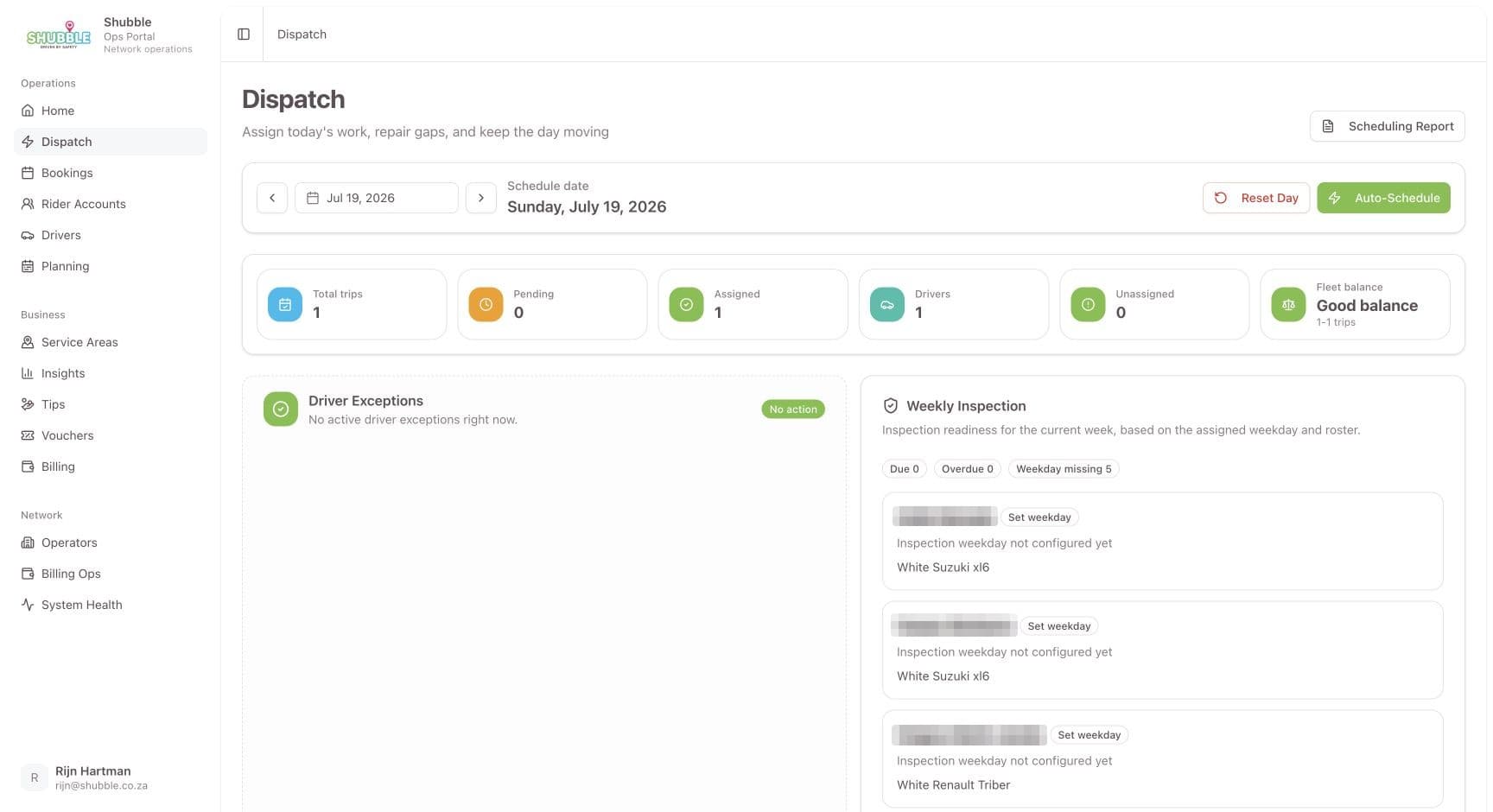
The backend and admin
The system behind the app: the data, the staff tools and the portal your team works in.
Screen from ShubbleRelease checklist
v1.4.0Build signedTested on real phonesGoogle PlayLiveApp StoreIn reviewApp Store and Google Play
We prepare, submit and update the store releases, and keep up with Apple's and Google's rules.
How it works.
Start
Step 1: A call
Who uses the app, what they do on their phone every day, and whether that needs an app at all.
Before any work
Step 2: Brief and fixed price
A short brief, then a proposal with a fixed price for the first version. Store, maps and messaging fees are listed separately.
Day 0
Step 3: Agreement and deposit
You sign and pay the deposit. We start with the backend and the first screens.
About a week later
Step 4: First version to try
A first version you can open and click through, before the store builds.
While we build
Step 5: Build in stages
Feedback by voice note or screenshot. We test on real devices as we go, not at the end.
On your date
Step 6: Tested and released
AI agents test every flow before release. You pick the launch date; store review time is set by Apple and Google.
Then, your choice.
Handover
The code, store listings and accounts agreed in the proposal go to your team.
Monthly plan
Hosting, support and store updates when phones and store rules change.
Product partnership
For bigger apps: a monthly retainer to keep fixing and improving it, priorities agreed together.
Real projects. Real screens.
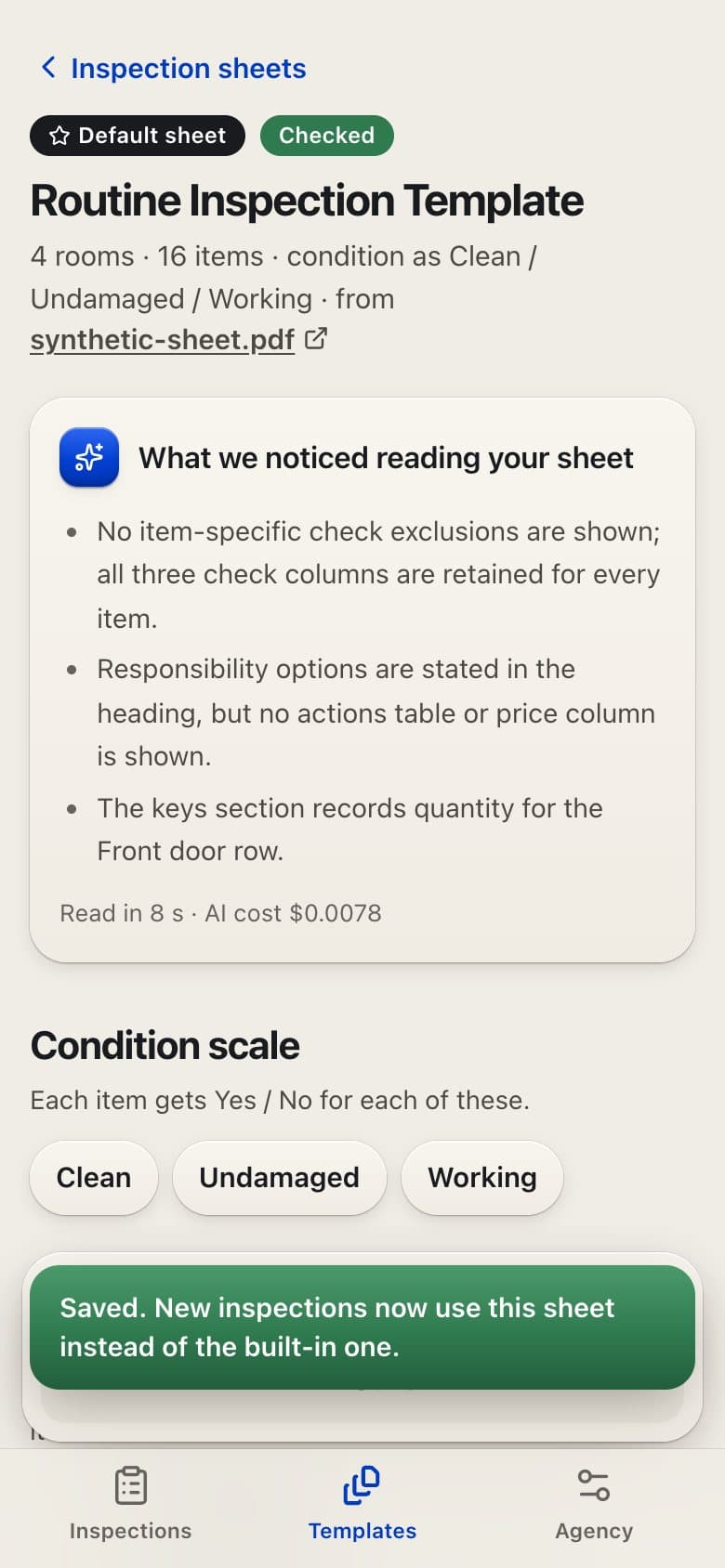
Family transport apps on both app stores, and Roomwise, the phone app that guides an inspector room by room.
All our work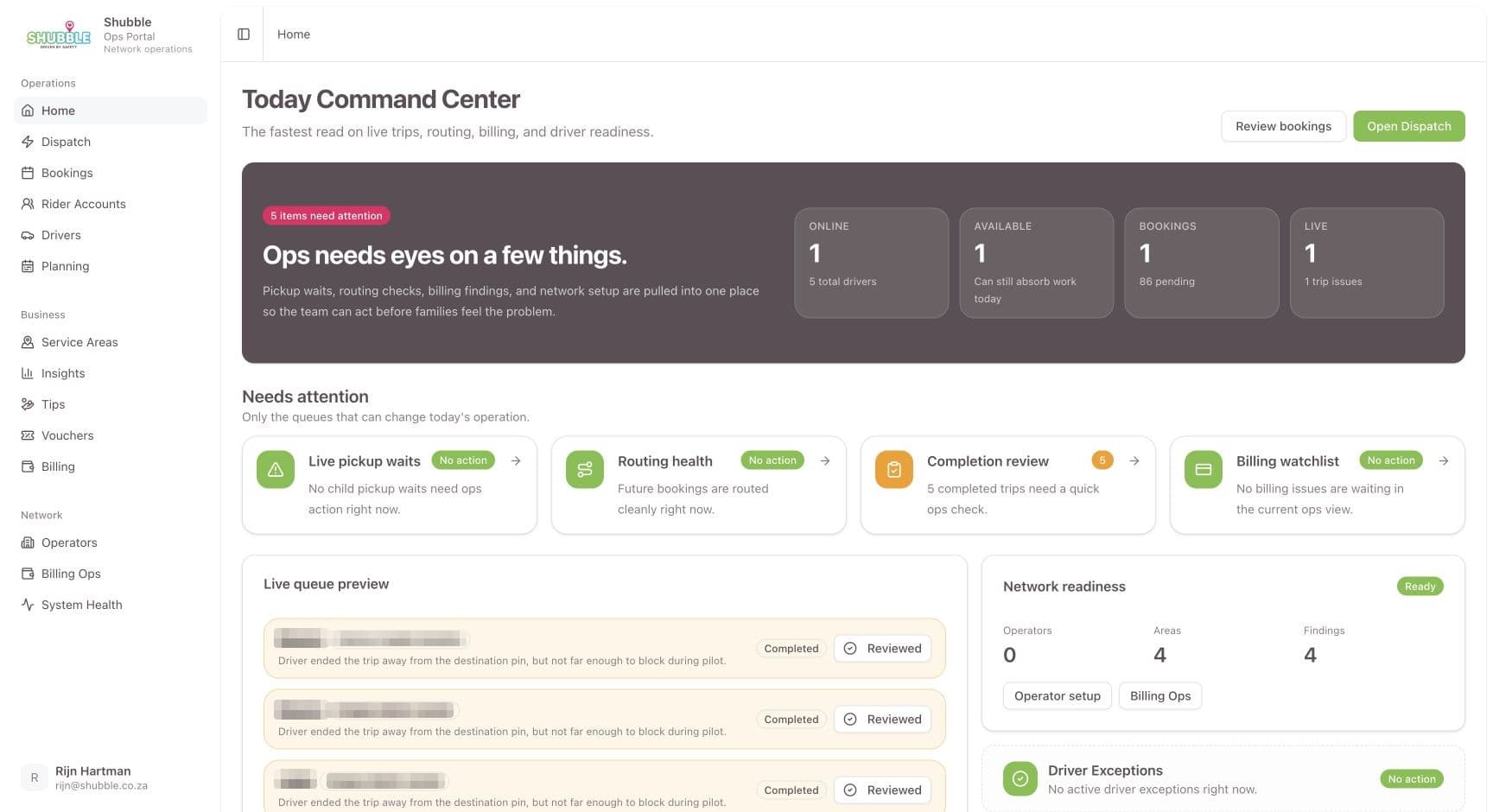
The tools behind it.
Every tool here is in a product we have built and shipped. We pick them once the problem is clear, and set them up in accounts you own.
See the full toolbenchWhy work with us.
The app is one piece. Shubble needed rider and driver apps, an operations portal and payments to work as one family transport service. We build all of it, so the app keeps working after launch day.
- Shubble apps live on the App Store and Google PlayThe rider and driver apps, built in Flutter
- 2
- From the first line of code to a signed Mac betaHeadroom, from our own repository
- 19 days
- From your deposit to a first preview linkUsual timing across our 2026 client builds
- ~1 week
Our own counts come from a dated snapshot of our repositories and release feeds (11 October 2026).
Fair questions.
Start with a call.
Tell us what you need. You get a short brief, then a written proposal with a fixed price before any work starts.
Start a conversationNot always. A web app that works well on phones is often enough, and cheaper. An app makes sense when people use it often, need notifications, use the camera or GPS, or need it to work offline.
Usually not. We build one cross-platform app, with Flutter or React Native, that runs on both. We go native only when a feature needs it.
Apps need looking after. Apple and Google change their rules, phones update and providers change their APIs. A monthly plan covers hosting, support and store updates, or we hand everything over to your team.
The proposal says which developer accounts the app is published under. Your data and brand stay yours, and ownership of the custom code is agreed upfront.