Integrations & API Development
Connect the software you already use: CRMs, payment providers, accounting, stores and booking tools, with custom APIs and webhooks that keep records in sync.
- A fixed price for the build
- Provider and usage fees listed separately
- Your accounts and data stay yours
Sounds familiar?
Someone retypes orders, payments or customer details between tools.
Two systems disagree and nobody knows which one is right.
Zapier works, until the volume or the bill grows.
When your tools do not talk to each other, a person becomes the bridge, retyping orders, payments and customer details. We connect the systems so each record lives in one place and moves on its own.
What we build.
- webhooks · live 0 failedpayment.succeeded200signature okorder.created201#318 savedbooking.updated200dates movedrefund.processed200R 450 back
API and webhook integrations
Direct connections that pass a record on the moment something happens.
Shop
Order #318
R 1 240 · paid
Owns this record
Accounting
Invoice INV-318
R 1 240 · paid
Synced 09:41
Data sync between tools
One system owns each record, and the others stay in step with it.
GET /v1/bookings?date=today
200 · 64 ms · key: partner-portal
{
"count": 7,
"next": "07:15 · Somerset",
"driver": "Thabo"
}
Custom APIs
An API of your own, so your app, partners or suppliers can connect to your data.
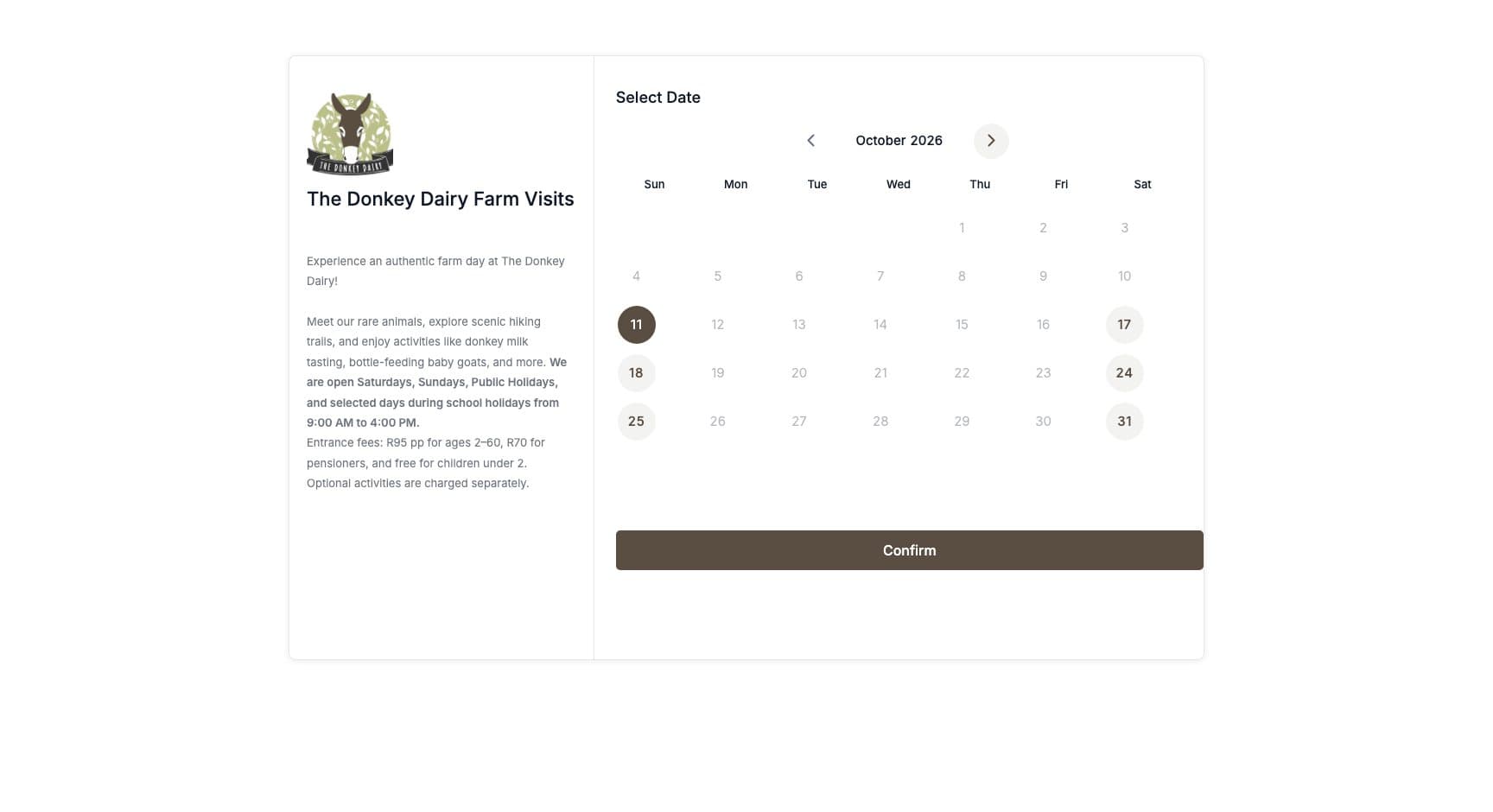
Bookings, payments and messages
Booking calendars, payment providers, CRMs and WhatsApp or email, wired into your website and apps.
Screen from The Donkey DairyCourier API not answering
Retry 2 of 53 orders waiting. Nothing lost; trying again in 2 min.
Back up at 09:47
Recovered3 waybills booked. Alert closed and logged.
Retries, logs and alerts
When a provider is down, it retries safely and tells someone. Nothing fails quietly.
How it works.
Start
Step 1: A call
Which tools you use, where people retype things and which record is the one you trust.
Before any work
Step 2: Brief and fixed price
We read each provider's documentation and check your account access. If it cannot be done reliably, you hear that before the quote.
Day 0
Step 3: Agreement and deposit
You sign and pay the deposit. We connect test accounts first, never your live data.
About a week later
Step 4: First records flowing
Test records moving between your tools, with a log you can read.
While we build
Step 5: Edge cases
Late, duplicate and missing updates, tested on purpose. Send us the odd cases you know about.
On your date
Step 6: Tested and live
AI agents test every path end to end. You choose when it switches over to live data.
Then, your choice.
Handover
A clean handover with docs on what connects to what.
Monthly plan
Monitoring, alerts, fixes and updates when a provider changes its API.
Product partnership
For bigger systems: we keep connecting and improving them with you.
Real projects. Real screens.
Apps, payments, SMS, maps and booking calendars, connected and kept in sync.
All our workShubble
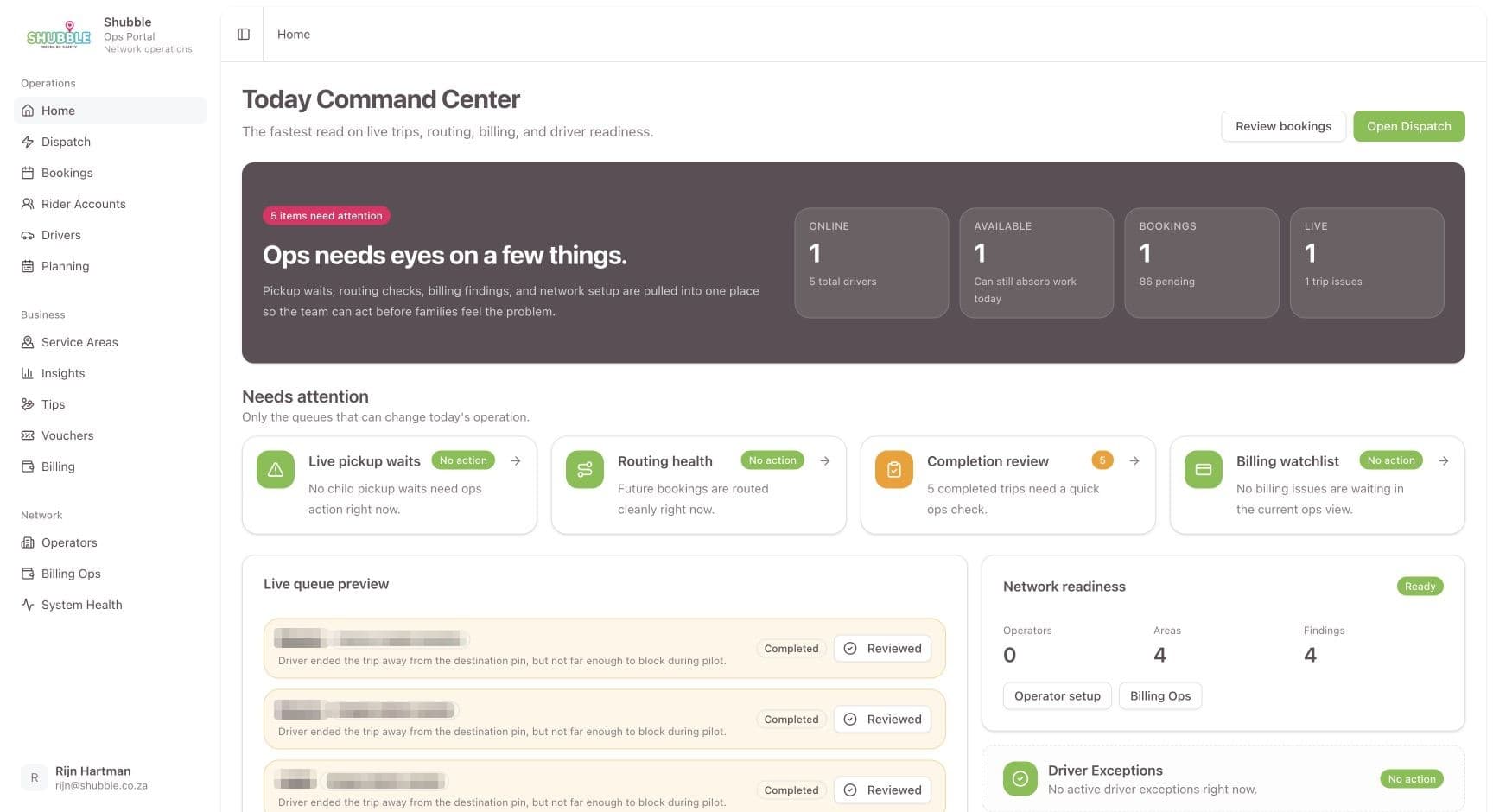
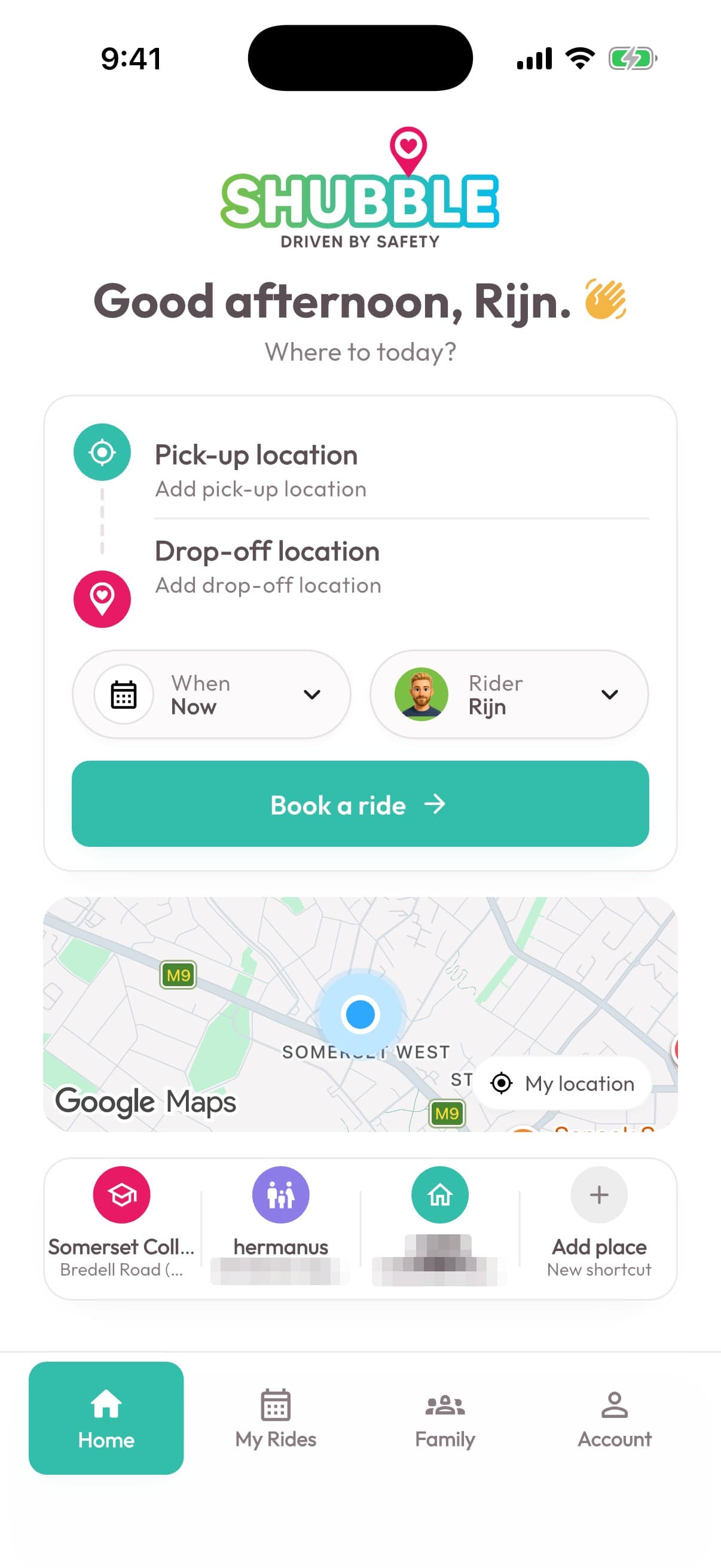
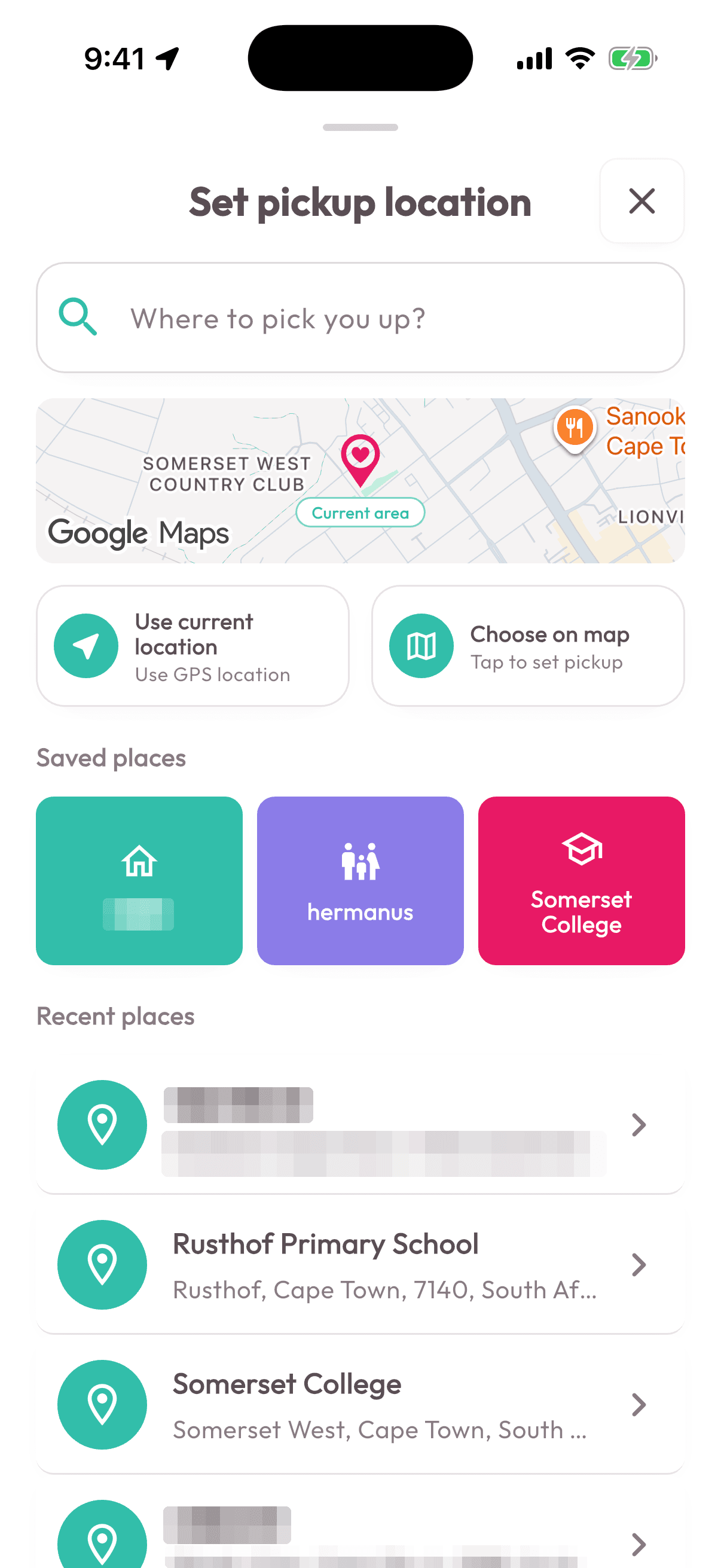
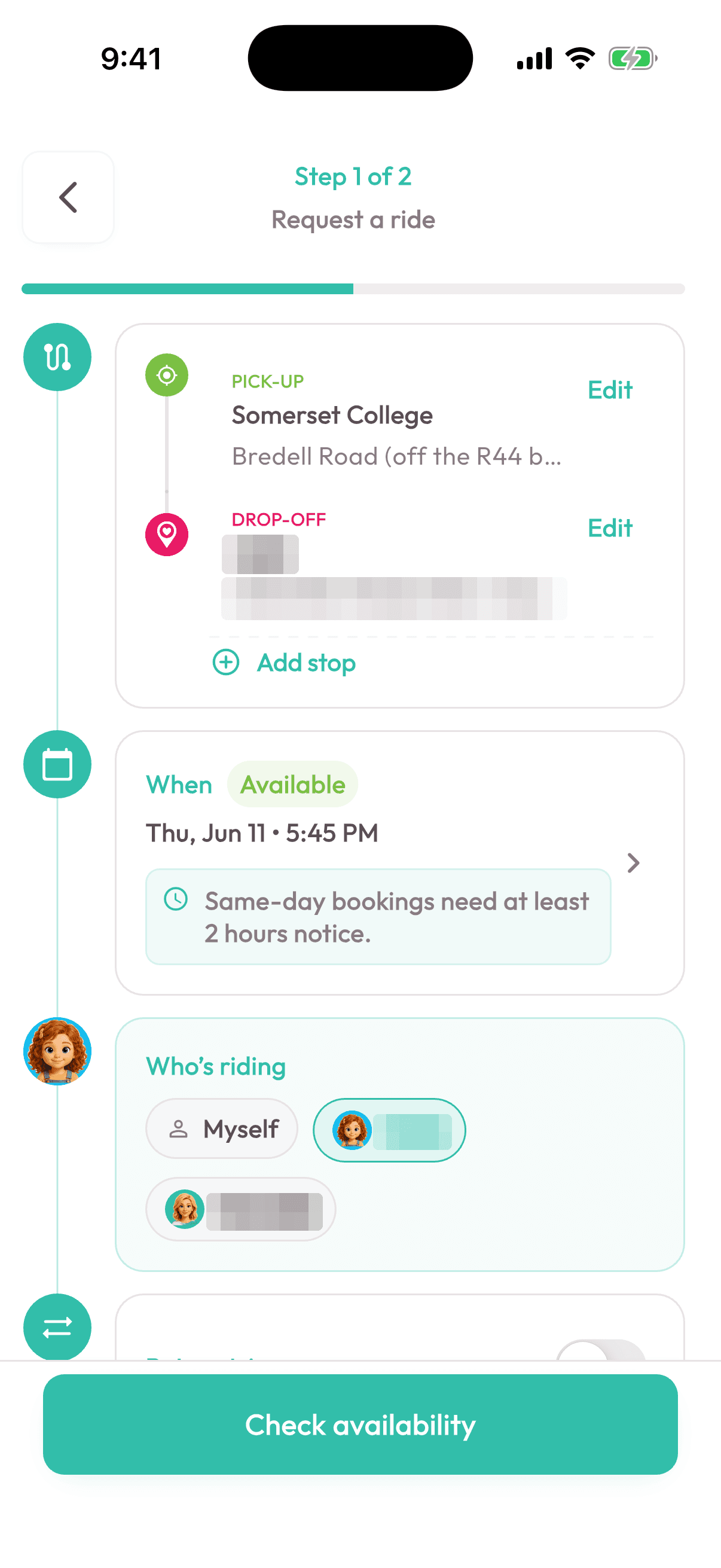
Family transport, all connected.
Shubble runs pre-booked family rides across the Western Cape with its own fleet, and it ran on phone calls and WhatsApp.
What we built
- Family app for booking, paying and following rides
- Driver app with the day's roster and trips
- Operations portal for bookings, drivers and money
Strivvex
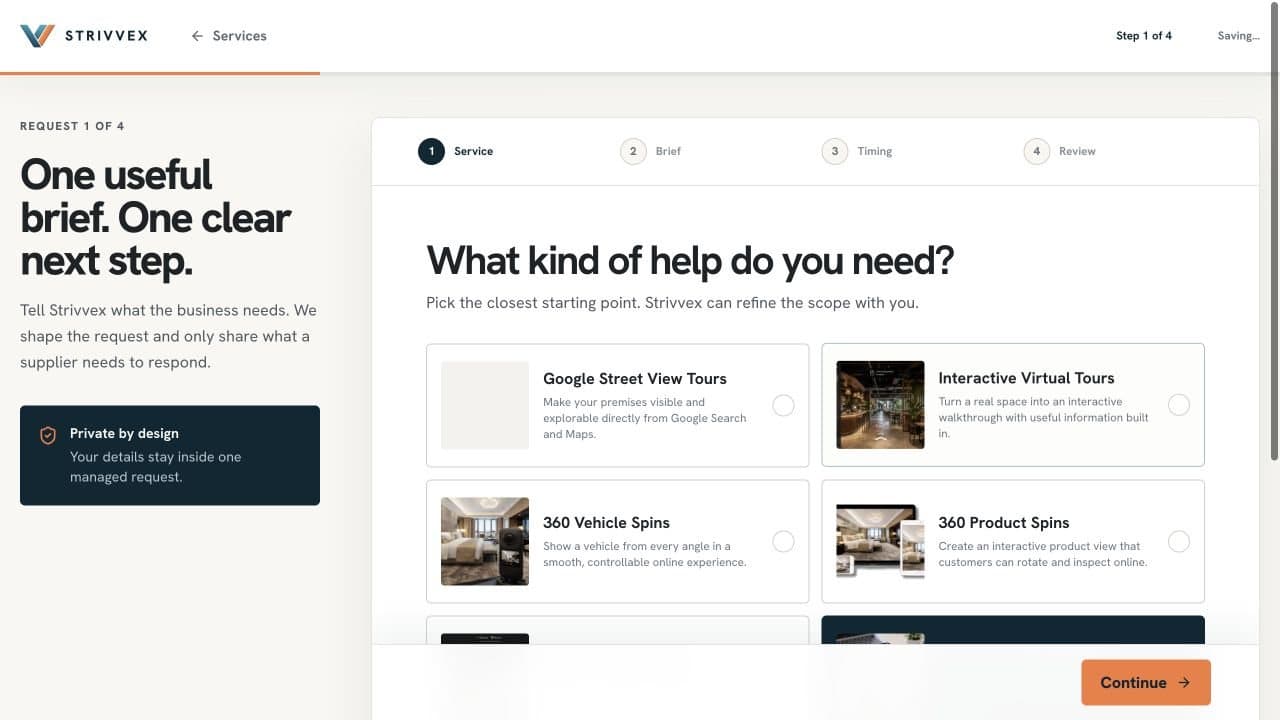
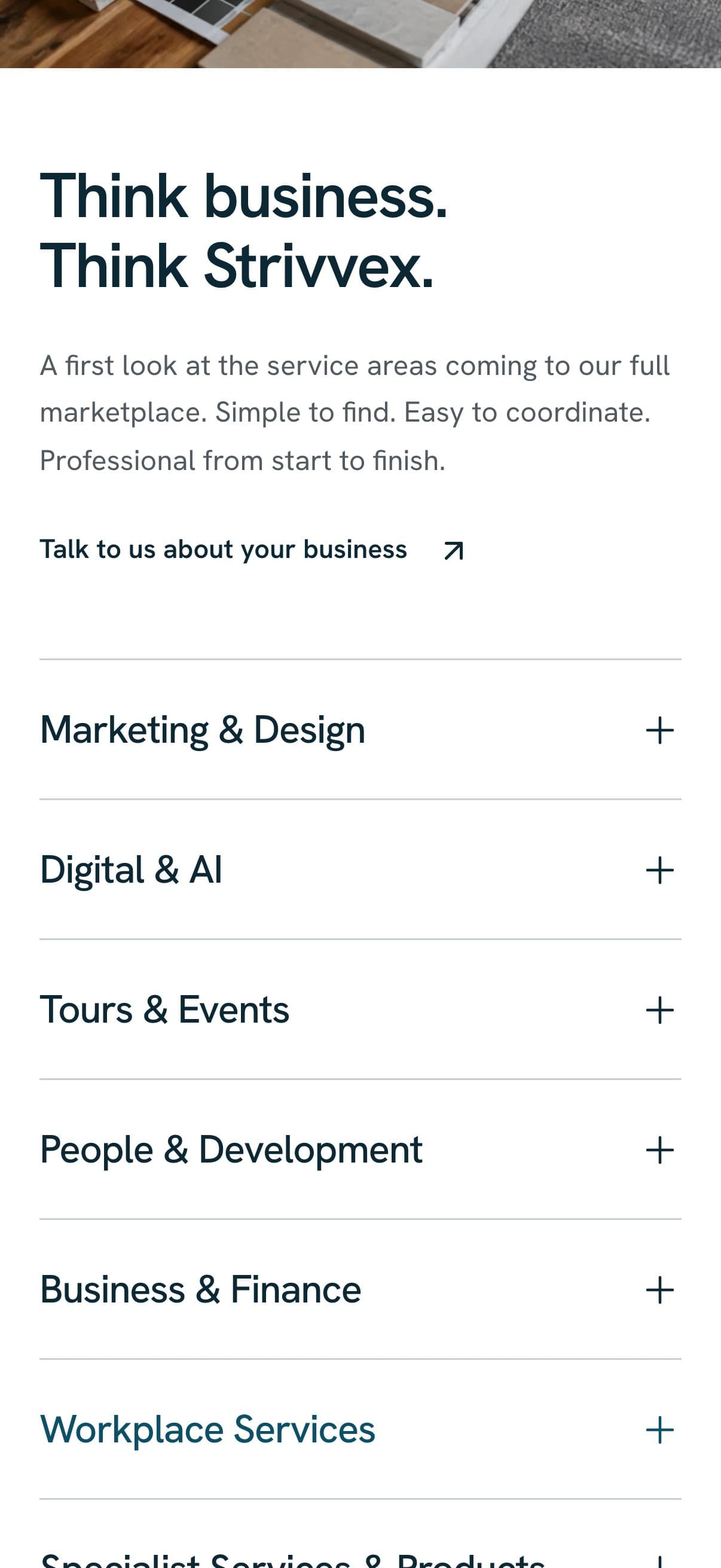
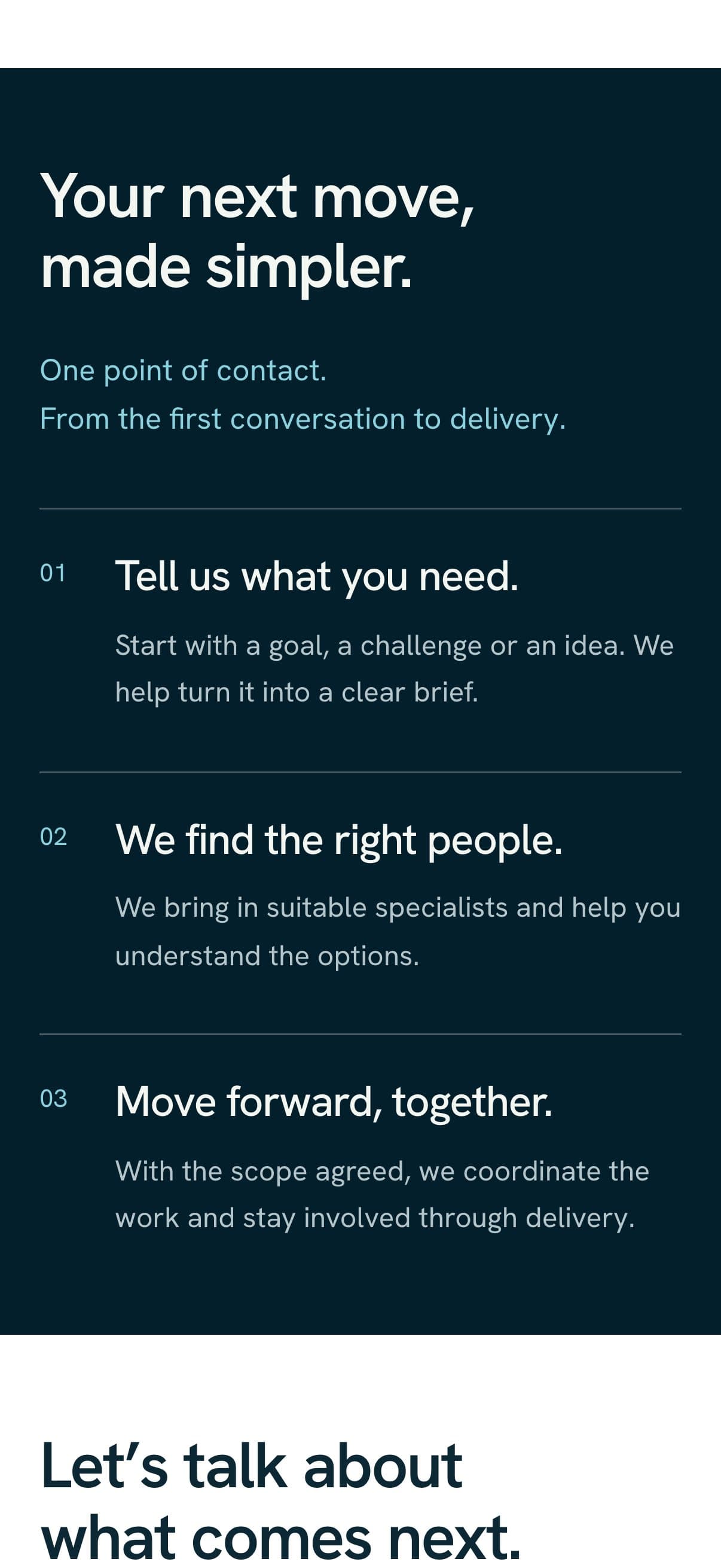
One request. The right supplier.
Strivvex is a curated South African marketplace for business services, and every job used to run by hand over WhatsApp, email and spreadsheets.
See the case



The Donkey Dairy
A farm shop that keeps selling.
The Donkey Dairy is a working donkey farm near Magaliesburg that makes donkey-milk skincare and welcomes families for farm visits.
See the caseThe tools behind it.
Every tool here is in a product we have built and shipped. We pick them once the problem is clear, and set them up in accounts you own.
See the full toolbenchWhy work with us.
A broken integration is rarely only a technical problem. It means a missed order, a payment that did not register or a booking nobody saw. We build the apps on both sides of these connections, so we plan for the day one of them fails.
- Tools in products we have built and shippedEvery one used in a real build; listed on our About page
- 51
- Payment providers in work we have shippedPaystack, PayFast, Stripe and Polar
- 4
- Changes we committed across our projects this yearCounted from git, 1 Jan to 11 Oct 2026
- 4 083
Our own counts come from a dated snapshot of our repositories and release feeds (11 October 2026).
Fair questions.
Start with a call.
Tell us what you need. You get a short brief, then a written proposal with a fixed price before any work starts.
Start a conversationFor a simple, low-risk flow, a tool like Zapier or Make is often fine. A direct integration makes sense when volume, reliability, cost, data control or provider limits start to matter.
If it has an API, webhooks, an export or another permitted way in, usually yes. We read the provider's documentation and check your account access before we promise anything.
Provider plans, request volume, transaction fees, messages, storage and rate limits. We list each one separately so you can see what moves the bill.
Not always. If a failure would cost you orders, payments or bookings, a monthly plan covers monitoring, alerts, fixes and updates when a provider changes its API.